Table of contents
Paris sells a promise at night: terraces that spill onto pavements, late Métro connections, and a cultural calendar that refuses to go dark. Yet across Europe, city leaders keep asking the same question as tourism budgets tighten and policing costs rise: does nightlife need casinos to stay competitive, or can it grow on restaurants, music venues, and safer streets alone? Paris, which has long restricted casino-style gambling inside the city, offers a revealing case study, and not only because its nocturnal economy is both celebrated and contested.
Paris proves you can party without roulette
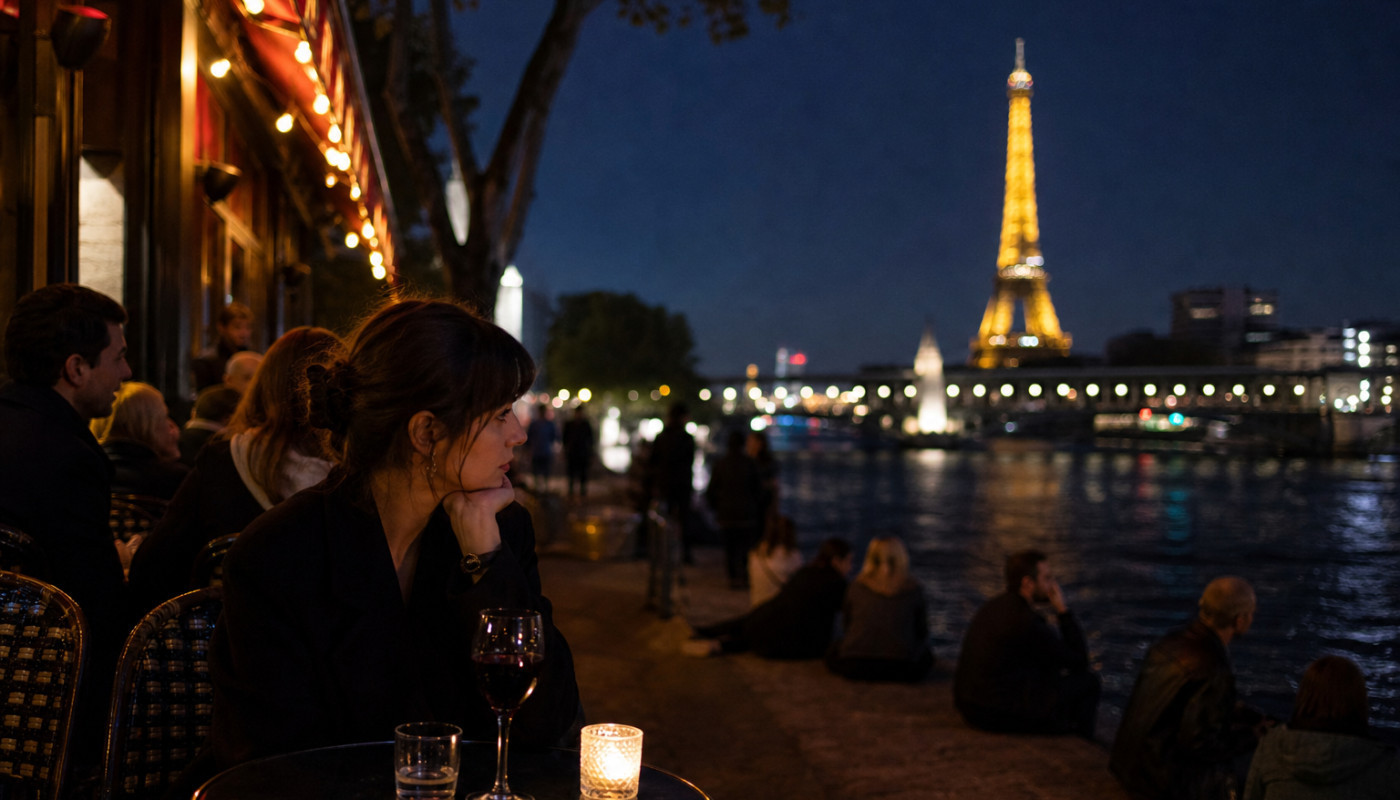
Look past the clichés of Montmartre and the Seine, and Paris’ nightlife is built less on gaming floors than on density, variety, and a transit network that, despite its limits, still moves crowds. The city itself has historically not hosted large traditional casinos in the way that London, Barcelona, or some French resort towns do, and that absence has not stopped Paris from ranking among Europe’s most visited urban destinations. In 2023, France welcomed 100 million international tourists, according to Atout France, a record level that puts pressure on Paris to keep its evenings attractive without relying on casino-driven footfall.
The drivers are well known to anyone who has queued outside a club in the 11th arrondissement: a huge stock of bars and restaurants, a constant churn of concerts, and the gravitational pull of world-class culture. Paris counted more than 15,000 licensed drinking establishments in recent years, depending on classification, and the broader Île-de-France region concentrates a large share of France’s live-music activity. When the Ministry of Culture reported on the rebound in performing arts attendance after the pandemic slump, large metropolitan areas led the recovery, and Paris remained a magnet for tours and festivals. The result is a nightlife ecosystem that can thrive on non-gambling spending: drinks, dining, tickets, ride-hailing, and night transport.
There is also a structural point often missed in the casino debate: Paris is a “multi-node” night city. Unlike destinations where entertainment clusters around a gaming complex, Paris distributes activity across neighbourhoods, from Pigalle’s bars to Bastille’s venues, from Canal Saint-Martin’s terraces to the western districts’ late-night brasseries. That geography matters for resilience; when one area faces restrictions, another can pick up demand. It also shapes how visitors experience the city, encouraging exploration rather than keeping guests inside a single property designed to capture their entire spend.
Casinos bring money, but also friction
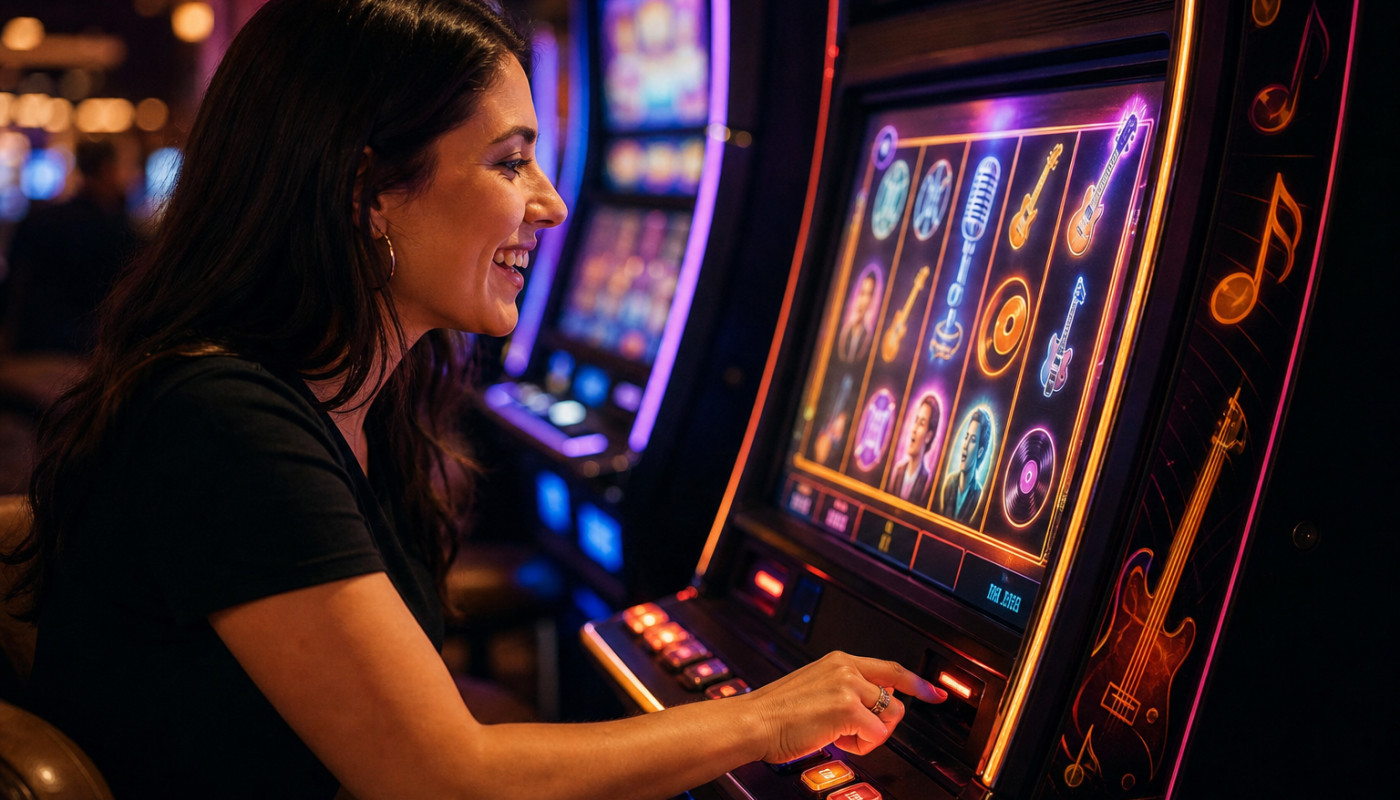
Could casinos add revenue? Of course, and policymakers elsewhere cite the same arguments: gaming taxes, jobs, and the promise of high-spending tourists. The European Casino Association has repeatedly underlined the sector’s contribution to employment and public finances across member markets, and in several jurisdictions casino taxation has become a predictable municipal income stream. Yet the same model carries costs that Paris officials, and residents, would recognise immediately: policing, noise complaints, problem gambling, and a reshaping of streets that can squeeze out smaller venues.
Casino-led nightlife also changes who the night is for. Where a city’s evening economy becomes anchored to gaming, adjacent businesses often tilt toward premium pricing, curated security, and a narrower demographic, and that can erode the messy, plural character that makes places like Paris appealing in the first place. Paris already wrestles with a familiar European tension: residents want sleep, visitors want late hours, and local elected officials are stuck between economic activity and public order. Add a large gambling destination, and you introduce a new risk factor, not only in terms of addiction but also in terms of crowds that may not disperse easily into surrounding streets.
Data from public health research helps explain why the debate is rarely just about tourism. The World Health Organization has warned that gambling can lead to financial stress, mental health issues, and harm to families, and that online gambling in particular increases exposure and frequency for some players. Even when casinos are well regulated, they can normalise gambling as a nightlife staple, which may be politically sensitive in cities where authorities already face criticism over alcohol-related harm, drug markets, and nightlife violence. In other words, casinos may boost headline spending, but they can also amplify the social and operational burdens that big cities pay to keep nights lively and safe.
This is why the discussion now often drifts toward online gambling, forums, and peer-to-peer advice, where people compare rules, protections, and access in a way that bricks-and-mortar policy cannot fully control. For readers trying to understand that ecosystem, the non Gamstop casinos forum is one of several places where users trade information about platforms, experiences, and regulation, a reminder that the question of casinos and nightlife no longer stops at city limits, or even at national borders.
What Paris gets right: transport, variety, policing
Ask a regular night worker what makes a city function after midnight, and you will not get “slot machines” as the first answer. You will hear about trains, lighting, and whether it feels safe to cross a boulevard at 2 a.m. Paris’ own experience underlines that point. The city’s nightlife has often been constrained not by a lack of gambling, but by the practicalities of moving people and managing noise. When the Métro closes, pressure shifts to night buses, taxis, and ride-hailing, and the bottlenecks become visible: long waits, overcrowded stops, and tensions between groups leaving different venues at the same time.
That makes transport policy a nightlife policy. In many European capitals, extensions to weekend night services have correlated with better crowd dispersion and fewer flashpoints around closing time. Paris has experimented with late services over the years and relies on the Noctilien network, but the city still faces the classic “last train” problem that concentrates departures into a narrow window. If leaders want a casino-free nightlife to thrive, the unglamorous investments often matter most: predictable night transit, clear taxi ranks, and safer walking routes connecting busy areas to stations.
Variety is the second Parisian advantage. A casino is a single-format proposition, even when wrapped in restaurants and shows; Paris offers layered options, and that helps capture different budgets. Students can drink on a canal bank, tourists can book a cabaret, and older crowds can linger in a late brasserie, and those parallel scenes reduce the pressure on any one type of venue. Economists of urban tourism sometimes describe this as “portfolio nightlife”: a city that does not rely on one anchor is better able to withstand shocks, whether they come from regulation, reputational crises, or changing tastes.
Policing and mediation form the third pillar, and Paris has spent years refining tools that are now widely copied: targeted patrols in nightlife corridors, coordination with venue owners, and administrative measures against repeat offenders. Critics argue that enforcement can feel uneven and that some neighbourhoods carry a heavier burden than others, but the core insight is solid: safety is a competitive advantage. Cities that want vibrant nights without casinos must convince visitors they can enjoy themselves without getting trapped in a hostile street scene once the bars close.
The real test is affordability and identity
Can nightlife thrive without casinos? Paris suggests yes, but only if the city protects the basics that make nights accessible. Affordability is now a defining issue. As rents rise and commercial leases tighten, independent venues struggle, and that can hollow out the mid-range options that create a city’s signature vibe. Casino complexes, by contrast, are often backed by deep capital and can outbid smaller operators for prime locations, pushing nightlife toward a more corporate, less experimental model. If Paris wants to keep its identity, it needs policies that help smaller places survive: fair licensing, predictable rules on terraces, and support for live music that does not drown in compliance costs.
Identity matters because nightlife is not just an economic sector; it is part of how a city tells its story. Paris trades on a specific image: conversation, culture, spontaneity, and neighbourhood life. A casino-heavy model can feel imported, even when it is profitable, because it concentrates entertainment into controlled spaces. That may work for resort towns where the casino is the point, but in an urban capital the “point” is often the street itself, the ability to drift from a gallery opening to a wine bar to a small gig, and to do it in a way that feels authentically local.
There is a further complication in 2026: the competition is no longer just other cities, it is also the home screen. Streaming, gaming, and online gambling pull leisure spending indoors, particularly among younger adults. For a casino-free nightlife to thrive, the city must offer what the phone cannot: collective experience. That means programming, not only policing. Late openings for museums on key nights, outdoor film seasons, and coordinated festival calendars can create the kind of “reason to go out” that casinos once marketed aggressively, without importing the downsides.
Finally, cities cannot dodge the regulatory debate by pretending gambling is absent. Even without local casinos, residents can access online betting in minutes, and discussions about safeguards, exclusions, and consumer rights increasingly play out in digital communities. The question for Paris, and for any city watching it, is whether to treat nightlife as a narrow hospitality issue, or as a wider public policy space where health, transport, culture, and digital behaviour collide.
How to plan a Paris night out now
Reserve ahead for weekends, especially for small venues and ticketed concerts, and set a realistic budget: prices vary sharply by district, and late-night transport can add up if you miss the last Métro. Check whether your destination sits near reliable night bus routes, and if you are travelling with a group, plan a meeting point outside crowded exits to avoid losing time and patience.
On the same subject